Looking at ourselves and the world through the lens of the 21st century.

Showing posts with label budget. Show all posts

Thursday, September 15, 2022

Crescent City on a Dime

Hi there, it’s Christen! This week on the podcast Amber brought up a great topic, dining out on a special diet. I enjoyed this topic because not only do Travis and I both have special dietary guidelines we try to follow, but we also have budgetary restrictions when it comes to dining out. He is diabetic, and I am a bariatric patient. We are also hoping to buy a house in the near future. Planning ahead and committing to the plan will ensure you don’t get too crazy and go off our budgets, not only with the calorie intake, but financially.

As I mentioned last week on the blog, the three of us went to New Orleans, Louisiana, also known as NOLA. If you are not familiar, NOLA is well known for its unique culture. The cuisine, music, history, and religious practices are a mixture of French, Spanish, Caribbean, and African-American, commonly known as either Cajun or Creole. When I travel, my main goal is to explore the local culture by enjoying the eateries, visiting history and art museums, and enjoy the present moment, by either relaxing, having a high adventure, or just doing something I love with people that I love. So since we were planning a trip to NOLA, I wanted to ensure we got to try it all. I hope you know me well enough to know where this conversation is going… planning!

You cannot go to Louisiana without trying the simple, yet sinfully delicious deep fried pastries called beignets! They also are known for their use of crawfish, andouille sausage, boudin, andouille sausage, grits, the Holy Trinity, duck, frogs, alligator and shrimp. One of the things that I love is trying new foods. Thankfully, Travis is also somewhat adventurous when it comes to trying food. I am still working on him with seafood, but we are getting there. I make it a goal to try all of the quintessential dishes, especially when traveling to a place so well known for their food. I decided that I needed to have a bucket list of must haves while on our trip.

  • Po Boys
  • Étouffée
  • Savory Grits
  • Pontchartrain Sauce
  • Crawfish Pie
  • Gumbo
  • Jambalaya
  • Red Beans and Rice
  • Fried Frog Legs
  • Fried Alligator Tail
  • Beignets
  • Chicory Coffee

Budget
We had already set a budget when we set money aside for our trip. I recommend paying cash so that when the waiter brings your check, you can pay, tip, and leave without having to wait for them to bring your card back. Seeing the money in my hands helps me keep an eye on how much we have left. Knowing how much we could spend on our trip helped us narrow down what types of establishments we could afford. We also opted for water instead of expensive beverages at restaurants. This helped us stay hydrated and probably saved us anywhere from $36-$48 plus the incremental tax and tip that would have accompanied. The one drink I did manage to purchase was planned, and I was so glad I spent my money on it!

Research and Recommendations
When you are traveling, it can be hard to make quick, smart decisions on where to eat. It almost feels like decision fatigue, so, to prevent that from taking up time on our trip, we planned where to eat ahead of time. I did a lot of research to find the best places for certain things; I wanted to make sure that we got a wide variety, not just quick and cheap, but also try some fine dining and local favorites. My first step was to listen to what my friends and family had to say. Amber and Cindy had both been to NOLA recently, so they both had great recommendations. We were not able to try all the same places, but I picked out the must-haves and worked them into my itinerary. I ensured that each restaurant I chose was near whatever tourist destinations we were heading for that day, since we were on foot most of our trip. This ensured that we made it on time and spent less time wandering around lost. For the other meals, I used Google maps to locate high rated eateries within my budget. I could easily determine if the restaurant was in my price range and offered the type of food that I wanted based on other Google users' photos and reviews. Most of the restaurants have a photo of their menu, just click on the images and scroll through to see if the food is appetizing and affordable.


Don’t Over Eat
Be open to sharing your food! Travis and I knew we wouldn't be able to try all of the foods that we wanted on such a short trip. We opted to order two menu items that we both wanted to try so we could split them. The first day, all three of us ordered individual meals for breakfast, lunch and dinner. Although we shared the food we ordered, we still over-ate. That totaled 9 meals for one day. By the time we got to dinner, our eyes were hungry but we filled up fast. We learned the next day to order less food. Since I am a bariatric patient, I can only eat so much as it is, so this was easy for me to munch off of both of their meals, or have a smaller portion if something was offered a la carte. This helped cut back on food waste, too, since we can’t take it home with us. 

Fried Brie Burger at Trenasse

Louisiana Crawfish pie at Trenasse


You can always go back
One thing I had to remind myself when I was in NOLA was that I can always go back. I don’t have to eat everything in sight, and buy every souvenir I see. We decided to purchase a Cajun cookbook as one of our souvenirs so that we can take the cuisine home with us and enjoy it for years to come. 

You don’t have to eat out. 
Call ahead and see if the hotel room has a fridge or a microwave, or pick a hotel that has extended stay amenities. Food can be kept in a cooler with hotel ice and taken to a park for a picnic. Imagine mocktails (non alcoholic) and a charcuterie on a blanket in a park like Congo Square/Louis Armstrong Park, where you can enjoy the statues and manicured lawns in a historic place. It never hurts to get a little grounded and relax during your vacation, too!

What are your methods for planning meals on your trips? Do you just go and eat what you see when you see it? I want to know how you stay on your monetary and health budgets while traveling! Pop on over to MMC chat and let me know, or post in the comments below.

Monday, July 4, 2022

Traveling on a Special Diet


This week on the podcast we are talking about go-to quick and easy meals. Two weeks ago on our podcast, we touched on the topic of traveling with a special diet. This week, I will be leaving for my first vacation in two years, and I have a plan to eat healthy (and budget-friendly) while still on the road.

I follow a low-carb and mostly dairy-free diet as my boyfriend calls it, boring. I’m lucky that so many places have these options while dining out now. You are probably wondering why I use the word “mostly.” Sometimes we are put in situations where we need to eat something and we may not find that particular option on a menu. I could be extremely strict about it, but sometimes we all need to live a little. For example, I can eat cheese. I say I am primarily dairy-free, because, as I mentioned in my last blog, I get sick when I drink milk, eat yogurt and various other dairy products, but a small amount of cheese (like a cheese stick) does not make me sick.


Two years ago, I traveled to Las Vegas with Christen and Cindy for Christen’s bachelorette party. While there, I tried to stick to my diet plan, which required a lot of prepping. Here are my tips for traveling on a special diet:
  1. Know the parameters of your diet. What can you eat? When can you eat? What needs to be refrigerated? What can you eat that can withstand long plane/car rides? I have to eat a certain amount of protein per day, and I need to supplement my diet with protein shakes. If I were buying shakes on the road (yes, they do sell them at gas stations), I would be paying twice as much as buying protein powder or shakes ahead of time.
  2. Plan! Plan! Plan! Yes, you can “wing it,” but there will be no guarantee (as I’ve learned the hard way) that you can find snacks along the way for your special diet. It’s always good to have an idea where you are going to eat and what snacks you want to eat ahead of time. I suggest doing some research on restaurants before traveling so that you can pick the right restaurant. For example, if you follow a vegan diet, you may need to find vegan-friendly restaurants near where you will be staying.
  3. Buy in bulk when possible. This is a big one for me because buying low-carb snacks on the road can be unhealthy and expensive. I typically go to my local bulk foods store and buy individual bulk ingredients to make my own trail mix. I also make sure I stock up on protein bars, peanut butter, low-carb crackers, and celery sticks. If you are taking a road trip, you can buy a case of water instead of paying individually for water at a gas station.
  4. Pre-portion your snacks. The last time I went on vacation, took tiny zip lock bags and made tiny portions of my snacks before storing them in my suitcase. I didn’t check any luggage, and I was able to get my snacks through with my carry-on bags with minimal security issues (apparently my individually packed protein powder could have been a powder bomb, so they had to take a closer look).
  5. Always be prepared. There have been many times that I have been stuck in the middle of nowhere and unable to eat when I need to eat because I was unprepared, or I was dehydrated because I didn’t have a bottle of water. Now, I carry a protein bar or a protein pack of almonds in my purse and I have another in my work backpack. I also make sure I have a refillable bottle or cup in my car or in my backpack for those times that I don’t have anything to drink.

I know it seems like a lot of work but preparing my travel snacks ahead of time really does save a lot of money when on the road. Yes, you still will want to eat at the cool, local restaurants but the more money you save on snacks, the more money you can spend dining out or on souvenirs.

I want to hear from our readers. What is your favorite road-trip snack? Do you plan it ahead of time or do you “wing it” when on the road? Let’s continue the conversation right here or on our Facebook Group MMC Chat. Don’t forget to check out our podcast as well!

Monday, June 20, 2022

Bariatric Struggles


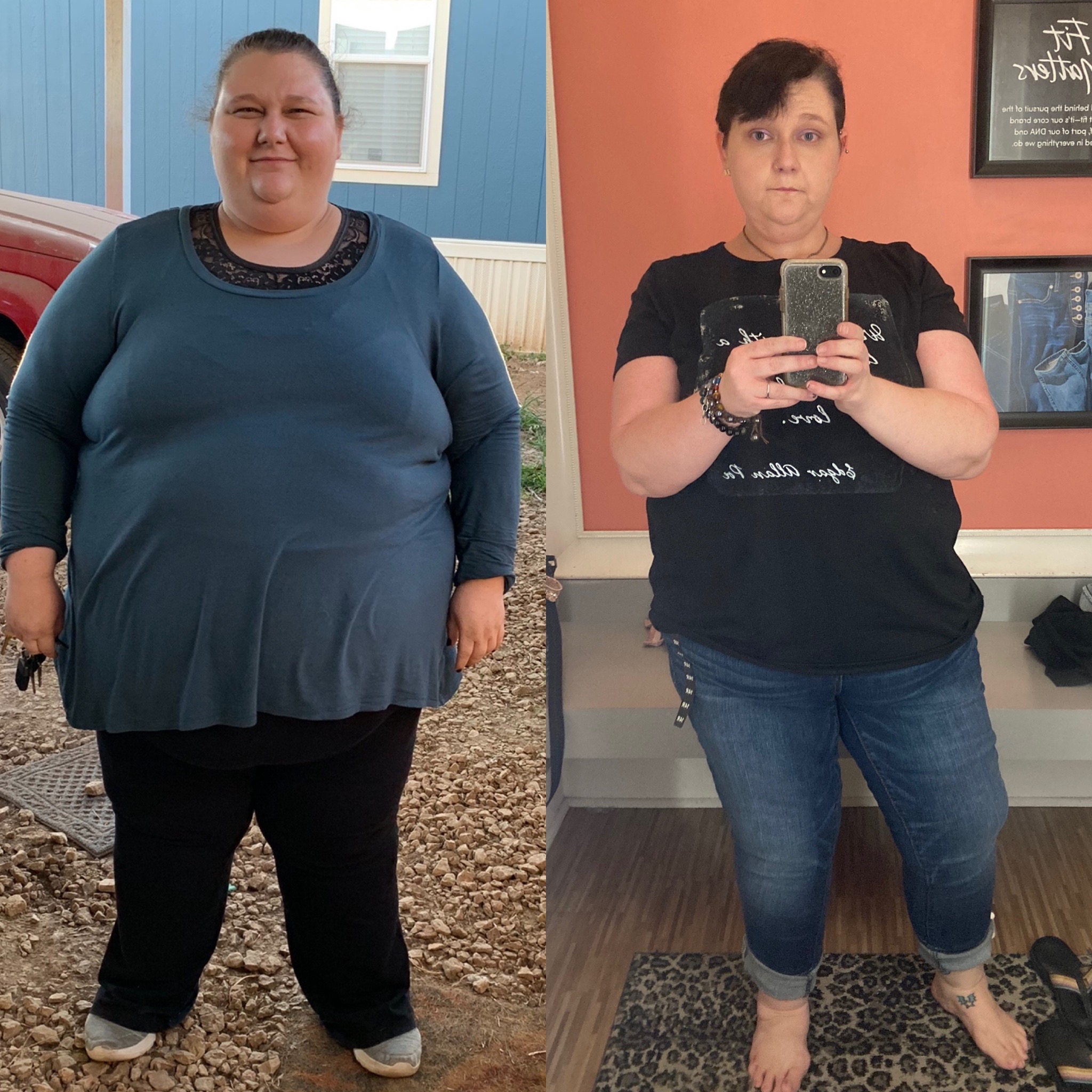
This week on the podcast we are talking about eating bariatric-friendly on a budget. This is a topic near and dear to my heart. As I mentioned in a previous blog, I had bariatric surgery a little over three years ago and it hasn’t been easy because while I was going through surgery, I was also struggling mentally and financially.
That doesn’t seem like great timing to have a complicated surgery, I know, but the surgery was years in the making. In 2014, I noticed that something wasn’t right with my belly button, it was sticking out. I didn’t normally have a belly button that stuck out. After a trip to the doctor, I learned I had an umbilical hernia that had burst through my abdominal muscles. Because of my weight at the time (around 360 lbs.), the doctor told me the surgery was unsafe, and he suggested that I have weight loss surgery to lose weight quickly. As a teacher, weight loss surgery is covered (to a point) by my insurance if it is a medical emergency. So, I began the long process with my insurance. 
While waiting for my insurance, my hernia decided it could not wait, and it burst on me in the middle of class one day. One minute I was teaching and the next I was on the floor – it happened that quickly. I was rushed to the local hospital and had emergency surgery. So, I put off the process of weight loss surgery; aside from being overweight, I was healthy. Over the next few years, I maintained my weight until the summer of 2017 when two major things happened. First, I broke my foot and ended up in a wheelchair, and second, my father died.

After my dad’s death, my depression set in and the two years that followed were some of the hardest of my life. I retreated from everyone I loved and began deliberately working long hours so that I wouldn’t be home. I started secretly binge eating again to cope with my pain in silence. I was confined to my wheelchair for months because my foot was not healing properly due to a vitamin D deficiency. Due to my binge eating and lack of activity, I started gaining weight. At the same time, my husband was struggling to find and keep work, which added to my stress.

Then, in the fall of 2018, tragedy struck again with my mom’s death.  Both of my parents died of weight-related illnesses with the underlying cause of those illnesses being diabetes. I sat there numbly as family member after family member told me that I needed to take care of myself. Then one day my clothes didn’t fit anymore, my hip would pop out when I tried to put on pants, walking short distances made me way too tired and hurt my still-tender foot, and I realized that they were right.  Before my mom died, she had been advocating that I start seeing a doctor to restart the process of bariatric surgery. I was diagnosed with high blood pressure and pre-diabetes right before her death. My weight clocked in at over 400 lbs. I needed to change. So, I began the process, again.
When preparing for bariatric surgery, patients typically go through a psychological evaluation. My psychologist at the time questioned whether I was ready for surgery given all that I had been through. In all honesty, I probably wasn’t. My life, at the time, seemed in shambles. Both of my parents had died, my husband was struggling to find/keep work, finances were low, and I was also having problems of my own at my job. But I was determined. Maybe I needed something I could control in my life. Maybe I thought losing weight would solve all my problems. Whatever the reason, I soldiered on.
Many people think you save money on food after bariatric surgery, which is not the case. My doctor put me on a strict pre-op diet three weeks before surgery. Not only did I have to drink a certain amount of water per day, but I also had to drink a certain amount of protein per day. There are many different types of weight-loss protein on the market. You can either buy protein powder or already-made shakes. Either way, they are not cheap. For me, it was also hard to find a protein that I liked the taste of. Before surgery, I settled on a fair-priced protein powder called Syntrax Matrix and a liquid protein called Premier. I also stocked up on plenty of clear liquids for my post-op diet. When my surgery date came in April of 2019, I was ready to make that major change in my life. Or was I?
Evolution of my face post-surgery
As I mentioned before, I’m a binge eater. Food is my comfort. When things go wrong, I turn to food to cope. I was not prepared for the psychological ramifications of not being able to eat when I wanted to. For a while after surgery, I couldn’t even drink water. How would I ever get enough water and protein in my body? It’s a struggle. A daily struggle to this day. I remember back on those early days after surgery curled up in a ball, sobbing, “I just want to EAT.” I was so HUNGRY and then I wasn’t, bariatric surgery is weird like that.
When I finally could eat, I didn’t want to anymore. The surgery worked too well. However, as a binge eater, I had a hard time knowing when to stop and when I was too full, and I still struggle with that. I was right; my whole life changed. I lost 190 lbs., five clothing sizes, and the ability to eat most food for the longest time. Three years later, I still struggle with certain foods. Now, I must closely check what I eat and how much of it I eat.
412 lbs. versus 222 lbs.
In another previous blog, I wrote about grocery shopping on a budget. Today, I remain budget-friendly. I try to maintain a low-carb, high-protein diet as well as not eat over a certain number of calories. Buying in bulk and portioning out my meals in advance as well as limiting eating out keep me budget-friendly. 
All in all, I’m glad I had the surgery. My eating habits may have changed but I don’t have near as many health problems as I did before, I can walk long distances without having to sit and rest, and it’s a lot easier for me to find and buy clothes. Psychologically, I’m in a better place, and the need to binge eat gets less and less. Surgery is not for everyone, and not everyone has had the successes I’ve had with it. I’m thankful that I’m able to wake up every day and live my life how I want it.
Size 14/16 versus Size 30/32

I want to hear from our readers. Have you contemplated weight-loss surgery or have had weight-loss surgery? What were your successes and failures before and after surgery? Let’s continue the conversation here or on our Facebook group: MMC Chat.

Saturday, January 29, 2022

When a Bargain Isn't a Bargain...or Is It?


I hate shopping. I know…I’m a weirdo, but I just hate it. Don’t get me wrong, I love to “acquire” things, but the actual shopping part…not so much. I hate traffic. I hate crowds of rude people. And I especially hate going out of my way to buy something specific only to find the store doesn’t have what I want. I can’t even begin to count the number of times I’ve had to go out in search of an outfit for a specific event or to buy a gadget to fulfill a certain function in my home, and then to traipse from store to store searching for the right thing. The one that fits. Or the one that’s the right color. Or made out of the right kind of material. And as often as not, I never find exactly what I’m looking for, but have to settle for something that “will do”. I just hate it.

That’s why I love online shopping. I can sit at home in the comfort of my pajamas and shop – any time of day, for any number of items, with as much or as little specificity as I care to explore. I can sit here for hours scrolling through Amazon search results looking for just the right notebook or craft supply. I can order two items, have them shipped to me for free (thank you, Amazon Prime!), and keep the one I want. The other is as easy to return as dropping by a UPS store with a pre-printed barcode (or scan it from your phone) provided by Amazon when you request the return.


I have become such a hermit since the onset of COVID. Between the worry about spreading the disease, the discomfort of the masks, and the sheer number of people who seem to be out and about during the daytime lately, I’d just rather stay home. I try to reserve my forays into the public for activities that truly interest me or tasks I simply must complete. I mentioned in our “Eating Healthy on a Budget” podcast that I subscribe to HelloFresh. When I’m working on a scrapbooking or creative project, I usually get my photo prints delivered by Amazon or Persnickety Prints. I’ve even changed many of my prescription drugs over to auto-delivery, and those that couldn’t, I’ve set up for 90-day refill cycles. If I can automate it – I do. If I can schedule it, I will. 

You would think all this home delivery would cost more, but really it doesn’t. Being willing to wait a few days, denying that instant gratification of going out to a store and acquiring it right now, often makes products and services less expensive. A retail store has to pay for retail space, which is often very expensive. The more products a store has to have on hand, the more space the store needs to display it, which also means more employees, not to mention the initial outlay of capital to have the product on hand in the first place. The exceptions to this are, of course, big box stores like Walmart, Costco, Sams, etc. who can buy in bulk, but even they are subject to the reality of having retail space and employees to display the merchandise, while online retailers sell right out of their warehouses, eliminating the middle-man of retail space, retail employees, and supply chains entirely.

I also like to shop from small business entrepreneurs – small mom-and-pop shops and sole-proprietors who offer unique items, sometimes at boutique prices. While it’s not strictly “inexpensive” (more often than not, it’s actually higher-priced), it is often exactly the item I’m looking for, and I like the idea that I’m helping support a person rather than a corporation. It’s an even better plus if the shop is local, but I’ll buy from online retailers, too. I like to support that individual creativity, and the quality of service you get from these businesses is worth every penny you pay for it - so really it IS a bargain. Etsy is a great online source for these types of creative endeavors, and another bonus is that I can both shop and sell there.

In the end, I think you have to be the judge of what a “bargain” means to you. After all, the New Oxford American Dictionary defines a bargain as “an agreement between two or more parties as to what each party will do for the other.” If you don’t mind spending your time and gas driving to multiple locations to get the best sale price, then that’s a good bargain for you. Or if you’d rather pay a little more to shop in private or to shop from specialty sellers, then that’s really a bargain, too. The price is only a small part of it.

Saturday, January 15, 2022

Say Hello to HelloFresh

A few years ago, if you had asked me to tell you how to eat healthy on a budget, I would have laughed in your face. Hi, this is Cindy again, and oddly enough, that’s exactly what I’m here to do! This week we’ve been talking about several different ways to eat healthy on a budget, and I’m here with more info about one I mentioned in the podcast on Wednesday.

For me, one of the biggest obstacles to eating healthy is often the time it takes to prepare a healthy meal. How many times have you come home from work and thought to yourself, “What am I going to make for dinner?” only to decide that you’re too tired to cook, or you’ve still got work to finish, and you just don’t want to spend the time figuring it out and then cooking it. Admit it, it’s a lot faster and often cheaper to order that pizza, or slide through the drive-thru at Taco Bell or McDonalds. I mean, “Dollar Menu”...right?

The answer to that dilemma is always “plan ahead”, but even that takes time. I used to spend at least an hour every Sunday planning out my grocery list for the week; I had to look through the pantry and freezer to decide what’s there that needed to get used before it went bad, and compare it to my recipes to see what I could make out of it. And then once I had my list, I had to go to the store to get the supplies. That could take an hour or more, and more often than not, involved multiple stores! I won’t even mention what happens when I can’t find an ingredient (COVID shortages are real!). Wow! That’s making me tired just thinking about it. It sure makes that pizza sound pretty good right now.

Luckily, budget-friendly can also be time-friendly. My favorite time and budget-friendly option right now is HelloFresh. This is a paid meal service with some excellent healthy options and hearty portions. All of the food comes right to your door, complete with the recipe to prepare a delicious meal. You pick the food, you pick the days and the portions, and they deliver sanity. Seriously. 

Stuffed Bell Peppers with Couscous is one of our favorites

What makes this service healthy is the choices. HelloFresh offers your choice of at least 25 different meal options every week, many of which are low calorie, carb-smart, and even vegetarian. The portions are appropriately sized and quite filling. And best of all it is mostly fresh ingredients—not canned veggies or processed meats — just good food. 

I signed up for HelloFresh (no, this is not a paid endorsement) at a Pinners Conference in 2019. I was curious and thought I’d give it a try. The food looked delicious, the prep work looked easy, and the price was right -- the average plan costs about $10/person per meal. I didn’t think hubby would like it much, but, hey, he wasn’t the one spending all his time sweating over the hot stove.

I was blown away by my first box. The ingredients were fresh and portioned to the exact amount I needed (no measuring), the instructions were simple and straight-forward (no figuring out whether to cook the veggies first or last), and the food was delicious. The meals were also scalable; I could add a third plate by slightly increasing a few ingredients or adding another side. This proved helpful when my niece was home for dinner once per week, since I had only ordered meals for two people for most nights.

I started with three meals a week for two people, and it took a huge burden off my shoulders when it came to cooking meals. Hubby stepped in to help me one night early on, and we discovered that we actually enjoyed cooking these meals together. The instructions are so precise and well written that we can work together effortlessly without stepping on each other’s toes, and the time together in the kitchen has been a great way for us to unwind after work and share the stories of our day without unloading on each other. Now it’s a ritual to cook our HelloFresh together, and then we cook on other nights by turns (and we still do take out), so neither of us feels like the burden of meals is on one person’s shoulders. And because we plan our meals in advance (up to 6 weeks!), we've eliminated a lot of the planning and shopping time that used to bog me down.

HelloFresh is also eco-friendly.  According to their website, the carbon footprint of HelloFresh meals is 25% lower than meals cooked at home with store-bought groceries. Most of the packaging is recyclable, and everything is shipped “carbon-offset”. Oh, and there’s less food waste -- none of that buying a whole package of celery to make one meal only to have it go to waste in my fridge because I didn’t need it for anything else. If the recipe calls for two scallions, they send me two scallions, not a whole bunch.

Another great thing about this service is it is really easy to customize to my needs. I can increase or decrease my meals whenever I want. I can put them on hold, or even cancel them completely -- there are no commitments. These days we’re down to two meals a week for four people, having switched our plan to accommodate the revolving door of a niece, my mother, and a friend that have stayed with us the last two years. These meals for four run me about $80 plus tax, and it is totally worth the time and sanity it brought back to my life. My son, Steven, took me up on the offer of a free box early on, and he loved it so much, he’s been a subscriber for almost two years, too. He’s single, so he orders 3 meals for two people every week, which allows him to cook one night then have leftovers the next, all week long, so he only does one carry-out night a week. For a single person, that’s awesome! And even better, the simple instructions and great recipes have actually helped him learn to cook. Heck, even my husband and I, both highly experienced cooks, have learned a cool thing or two.


But really, my biggest take away from this experience has been this — time is money, and for someone who is self-employed like me, every minute I spend in the kitchen is time I’m not working on my business or doing something I truly love. My time is really valuable to me. If I can still eat healthy without spending more than I would spend on traditional meals, then I’m all for it. 

If you think you might be interested in trying HelloFresh (or one of the other meal delivery services), I encourage you to give it a try. HelloFresh offers a wide variety of meal options, including vegetarian, low-carb, and low-calorie foods, all for the same price, and you get to choose every single meal they send you.  You can also choose to up-level a meal or two for a set fee, but I’ve found the regular choices to be quite sufficient.

Have you tried HelloFresh or another meal service? Share your experience in the comments!
And if you’d like a recommendation or two, head on over to the Facebook group to continue the conversation!

Thursday, January 13, 2022

Meal Planning on a Budget


Hi again, Christen here…a long time sufferer of eating cheap. No, for real, eating cheap isn't always healthy and can also be lacking in flavor.  To make matters worse, I used to not plan or meal prep either.  All of that eating on the fly took a big bite out of my budget due to last minute purchases, and there was always some excess of wasted food.

I can’t eat a bowl of cereal for dinner out of convenience anymore now that I am married and have a child. Dinner needs to be prepared in a timely manner, and there are special considerations for our dietary needs. Travis, my husband, has to be extra careful due to the fact that he is diabetic.

A couple of weeks ago when discussing S.M.A.R.T. goals, I mentioned that Travis is now the primary cook in our household. I thought I would delve into the process that we have in place now that allows us to create delicious homemade food from scratch that is simple, filling, healthy and affordable.

Planning
There are several things that Travis and I do to ensure that we are on the same page throughout the week when it comes to dinners and getting the household fed. I am currently working 5 nights a week during the dinner hours. Luckily, I am able to have dinner with my family, but I cannot be in the kitchen preparing the meals; Travis really has to manage the kitchen as much as possible. Since I am an avid planner and he is still learning, we connect weekly to put our ideas together, and to plan and execute the shopping to ensure that there are no hiccups. Each meal that is prepared has an associated recipe. Having specific directions ensures that all the ingredients are purchased and used properly. Planning ahead also keeps us from choosing too many unhealthy options. When you give yourself enough time to consider your meals, you are more likely to make healthy choices. Don’t forget to plan for breakfast, lunch, and snacks as well. Having a plan for these meals will keep you within your budget, but also keep you from going back to the store, or ordering take out.

Timing
We connect on Thursdays, and Travis brings his recipe suggestions with him along with his day planner. We determine what meals we will be making for the following Monday - Sunday. We consider activities on our calendar and make alterations if certain activities require a quick dinner. Once we have the weekly menu planned out, we post it on the fridge and then go through each recipe to get a shopping list started. The key to this is consistency, you will manage this task more effectively over time, whether doing it solo or as a couple.

Shopping
Travis and I do not go to the grocery store to shop for our main weekly purchases. We do however visit the Vietnamese market for specialty items, and we use the flyers to purchase meats at specific stores if the price is worth the special trip, all other groceries are ordered through grocery pick up. This strategy limits impulse shopping. We have lowered our grocery bill considerably by not picking up those one-off snacks that catch our eye while going up and down the isles. Our grocery pick up order consists of just the items we need, and we are able to have more restraint and buying power. I can take my time and really shop by reading the labels and determining which product will give me the best value. I also like the fact that I can quickly click on the past purchases that are in my shopping cart on a weekly basis.

Budget
I can tell you that grocery pickup and online shopping is handy for lowering your grocery cost, however the most important factor in all of this is the budget. Your finances cannot be controlled unless you have the reins on them. If you wander around the grocery store without a clear plan, and without a budget, your cost will surely go up. Random items picked up in the store add to the cost of your cart, but you don’t see the impact until you are at the register. Determine the maximum you want to spend on your grocery trip, this is your budget for that trip. Also knowing the exact dates you are shopping for is essential. I recommend purchasing groceries once a week so that you can buy fresh produce, meats and bread frequently. Many fresh vegetables and fruits do not have a shelf life beyond a few days, so shopping more frequently ensures you are eating the freshest of foods. Sure, you can buy canned vegetables that last longer, but they are not as healthy, and not always as appetizing. So, to recap your budget strategy, ensure you know what days you are needing to purchase food for, how many meals, number of people being fed, and what you can afford to buy for that time frame. Use the meal plan to keep your shopping list within your budget. Know what you can spend, so that you don’t overspend. If your groceries for the week are exceeding your budget, consider either going meatless for a meal, swapping out a recipe, or doubling up on a recipe that can make enough for leftovers.


Storage
If you are  going to be buying in bulk, you will want to have storage that will last. I can’t stand freezer burn or freezer flavor. In the past I would freeze things with good intentions, but oftentimes throw things away after a month or so due to the ice crystals! Travis and I now have a Food Saver,  Here and we love how well our food is preserved. This allows me to purchase the larger pack of chicken, and split the contents up instead of buying two smaller packs of chicken at a higher cost per pound. I also recommend some baskets or storage bins to keep your pantry and refrigerator organized. This helps keep things in order. When food items are stored willy-nilly, they get lost on the shelves and you may end up over purchasing or having items go bad before you get to use them. 

We keep our pantry sorted out into food categories and keep the most relevant items at eye level. 

  • Breakfast items - like cereal and oatmeal
  • Lunch/snack items - these are the free-for-all items that were purchased for lunches such as ramen noodles and soup
  • Dinner items - these are kept separate so that someone doesn’t accidentally eat the can of tuna if it is meant for dinner
  • Baking goods
  • Excess condiments etc. - we go through certain ingredients more rapidly than others, for example olive oil. I have my opened olive oil out where I can reach it, but my backup is in a specific spot - so I know where to grab it when the other one runs out, or I can quickly identify what I have extras of or might need to stock up. This really helps when making the grocery list. 

When it comes to fridge organization, I can be a real stickler. I am the type of person that puts the condiments in the exact same spot every time, and I expect my family to do the same. This can be a challenge, but getting your household involved in the meal planning, preparation and the goings on in the kitchen is important. Once they are onboard and can see the importance of a neatly organized kitchen, they will be more willing to follow your lead. If you are condiment connoisseurs like my family, you probably have more food on your fridge door than anywhere else in your house. We have a sauce for everything, and it can get out of hand really quick. I limit the number of jellies and salad dressing that we open at any given time, I keep all the mustard, mayos (yes, we have more than one mayo), and ketchup in the same general place so they are all together, and I keep all pickled items in a spot together. It seems trivial, but I can guarantee you, if you go through your condiments, give them a good wipe down and take some inventory, you will find something that is about to expire, or is almost run out. Use that time to plan out ways to use that condiment, and get your money's worth.

Fresh is Best
We all know that junk food is cheap and healthy food is more costly. Here is a quick list of everyday essentials that are dirt cheap and as close to unprocessed as you can get. You can make countless meals with these few items. Another great thing about them is that their shelf life is long enough that you can keep plenty on hand.

  • Green onions
  • Yellow onions
  • Garlic
  • Celery
  • Carrots
  • Green bell peppers
  • Cucumbers
  • Eggs
  • Dried Beans
  • Apples
  • Acorn and Butternut squash
  • Old Fashioned Oatmeal
  • Milk
  • Butter
  • Shredded cheese
  • Jalapenos
  • Cilantro
  • Ginger
  • Uncooked Brown Rice
  • Potatoes

Left-overs
Let’s talk about the taboo topic of Left-overs. I am sure there are a lot of you that just don’t do leftovers - and there are just as many reasons why you might not like to eat them. I am not going to harp on anyone for not liking leftover or reheated food,  but consider the amount of money saved if you did not throw your food away, and ate what remained at another time. I will give you some suggestions as to how to overcome it if you are interested in giving it a try. 

  • Some foods can get gross when reheated like lettuce, guacamole, coleslaw, and breading to name a few. So consider leaving those items out when wrapping up the leftovers.
  • Reheated sauces like marinara hold up their consistency in the microwave, whereas sauces like alfredo break down when reheated, changing the flavor and texture.
  • Overcooked vegetables get mushy when reheated. If making extra veggies to pack up, consider cooking the veggies on the firmer side knowing that they will get cooked further the second time around.
  • Reheat your leftovers in the oven when possible to crisp up and prevent sogginess.
  • Leave off dressings, sauces, and fresh garnishes when serving large batches, which can be added after reheating.

I know I have presented a lot of tips all at once. If I had to give just one piece of advice above all, it would be to plan ahead. All of the tips I provided today are actions that require thinking one step ahead and keeping control of what you already have (money and inventory) on hand. I hope that these tips are useful to you and are things that you would consider in order to help you improve your healthy meals on a budget. I know that I focused mostly on the budget versus the healthy, and I did that on purpose – if you can plan ahead, you can make healthy choices.

I would love to hear what you think! Leave me a message in the comments, if there is anything you want  to know more about, please reach out!

5 Ways to Manifest Your Best Life

Hi there, and welcome back! Since we have been heavily focusing on goals and planning, I thought we should discuss manifesting. I love this ...